
Where Art, Devotion & Intellect Converge
In Kashi, culture is not performed for spectators — it is lived as an unbroken sadhana (spiritual discipline). From the dawn shehnai notes at Balaji Ghat to the fierce non-dual dohās echoing in Kabir Chaura, every lane preserves the footprints of those who transcended mortal limits.
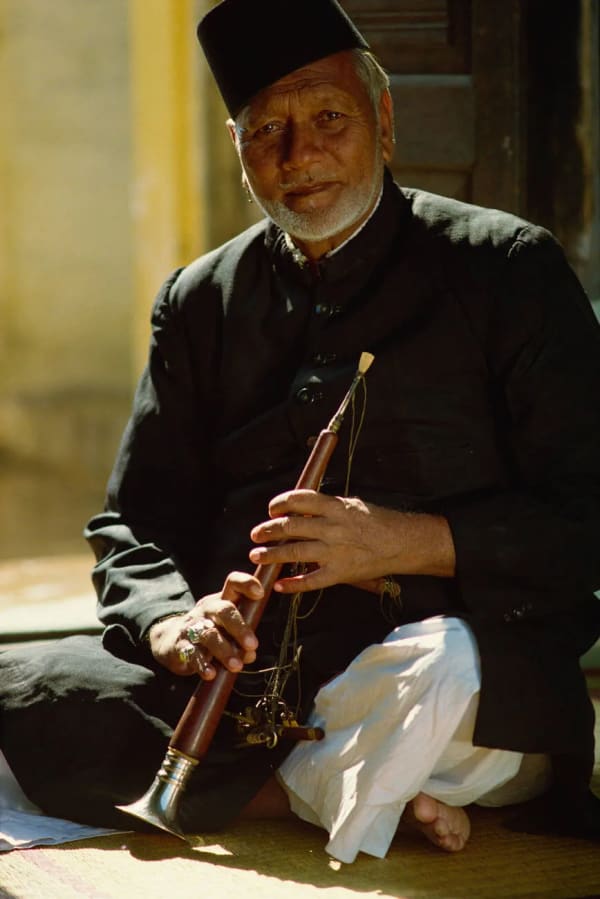
Ustad Bismillah Khan
“Even if the world were to end, music would survive because the Ganga never stops singing.”
For decades, Ustad Bismillah Khan performed his dawn riyaz on the secluded stone steps of Balaji Ghat overlooking the holy river. An embodiment of Varanasi's syncretic Ganga-Jamuni Tehzeeb, his shehnai elevated traditional temple ceremonies into global classical perfection, earning India's highest civilian honor, the Bharat Ratna.
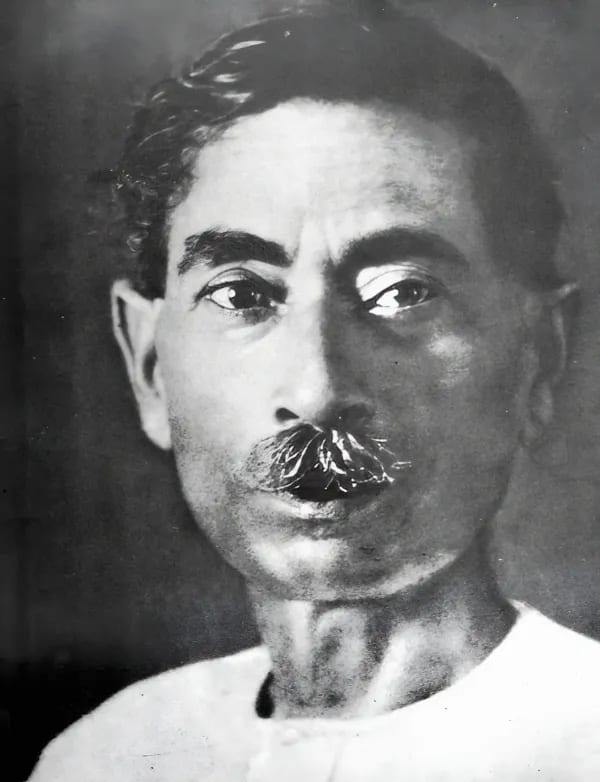
Munshi Premchand
“Literature is the truth about human life told through the deepest compassion.”
Born in the quiet village of Lamhi on the outskirts of Varanasi, Munshi Premchand revolutionized Hindi and Urdu literature. Through masterpieces like Godaan, Nirmala, and Gaban, he gave an unfiltered voice to peasant struggles, social hypocrisy, and spiritual resilience, establishing Kashi as the literary epicenter of modern India.
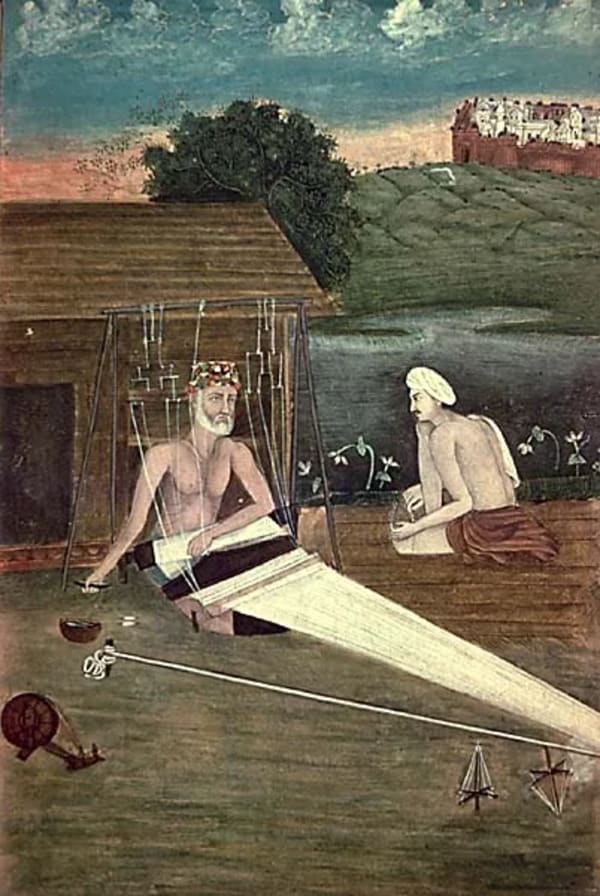
Sant Kabir Das
“Neither in temples nor in mosques am I; look within, and there I abide.”
Weaving cloth by day along the lanes of Lahartara and delivering piercing two-line couplets (Dohas) by the Ganga, Kabir unmasked religious dogmatism, caste barriers, and empty ritualism. His uncompromising voice of pure non-dual devotion remains the eternal conscience of Varanasi.
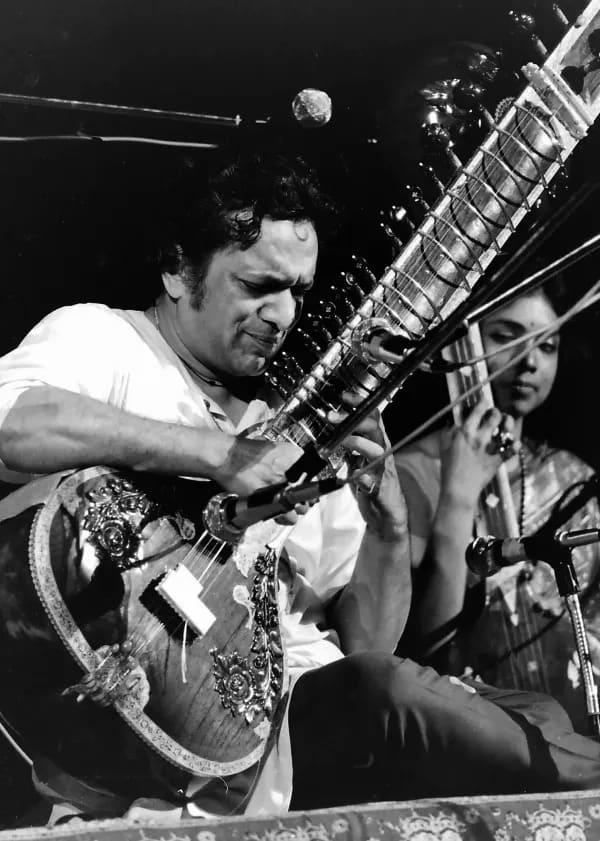
Pandit Ravi Shankar
“Music is the highest form of worship, carrying the sacred spirit across all borders.”
Born on the sacred banks of Varanasi and trained under Baba Allauddin Khan of the Maihar gharana, Pandit Ravi Shankar brought the profound meditative richness of Indian classical ragas to world audiences, collaborating with legendary international masters while remaining rooted in the spiritual soil of Kashi.
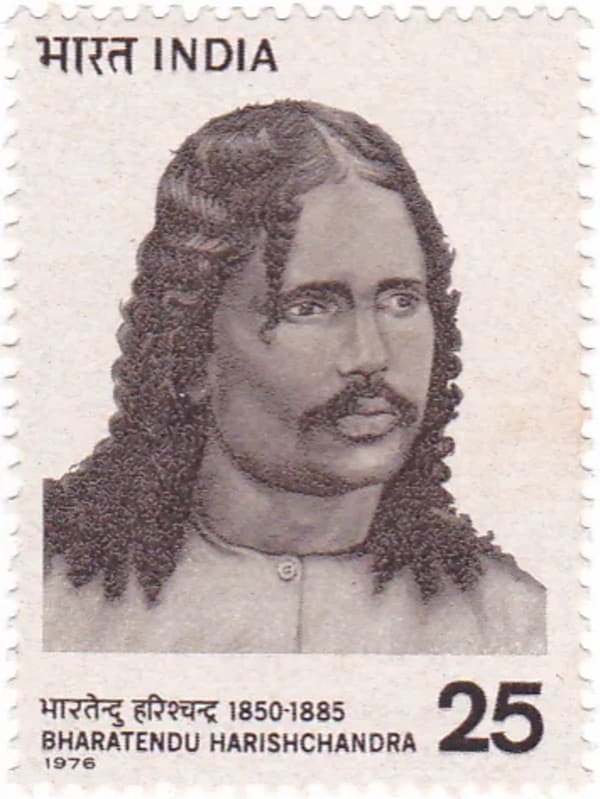
Bharatendu Harishchandra
“Progress of one's mother tongue is the foundation of all true progress.”
Living in the heritage quarter of Chaukhamba in Varanasi, Bharatendu Harishchandra transformed Hindi into a refined modern literary vehicle. A fearless poet, playwright, and nationalist publisher, he channeled Kashi's classical intellect to ignite India's modern cultural renaissance.
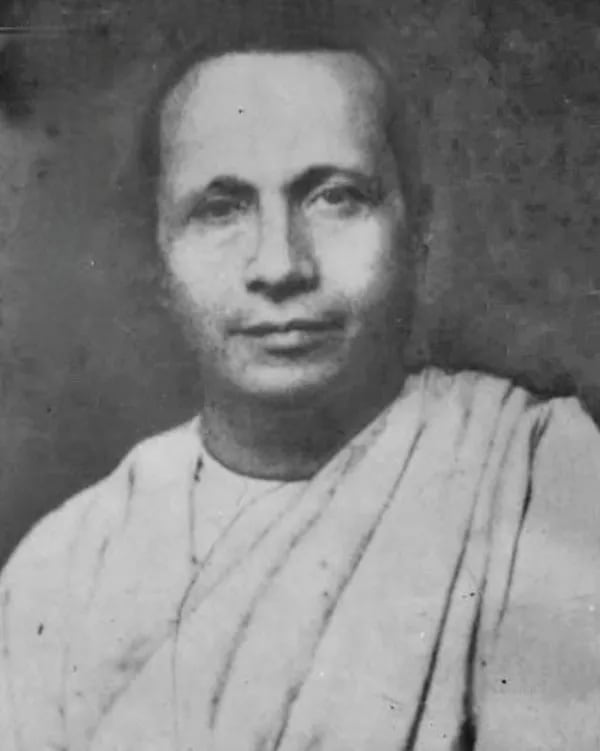
Jaishankar Prasad
“In the boundless consciousness of Kashi, art transforms grief into eternal bliss.”
A lifelong native of Varanasi from an ancient merchant family of Sarai Govardhan, Jaishankar Prasad authored the magnum opus Kamayani, synthesizing Shaiva philosophy, human psychology, and sublime poetry. His works capture the metaphysical essence of the eternal city.
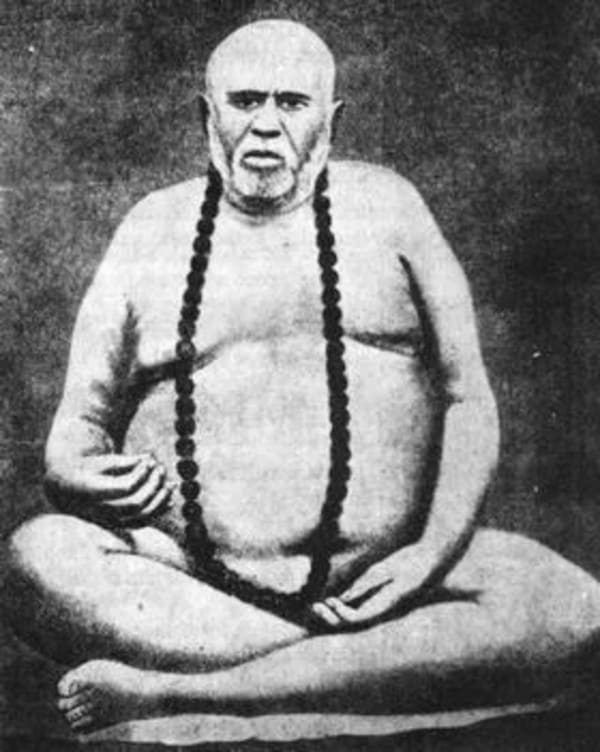
Trailanga Swami
“He was a living Avadhuta who transcended the laws of mortal physics in Varanasi.”
Revered by Sri Ramakrishna Paramahamsa as the living personification of Lord Shiva, Trailanga Swami lived for nearly three centuries, spending decades meditating silently in the waters of Panchganga Ghat, performing miraculous spiritual healings, and exemplifying the heights of Advaita Vedanta.
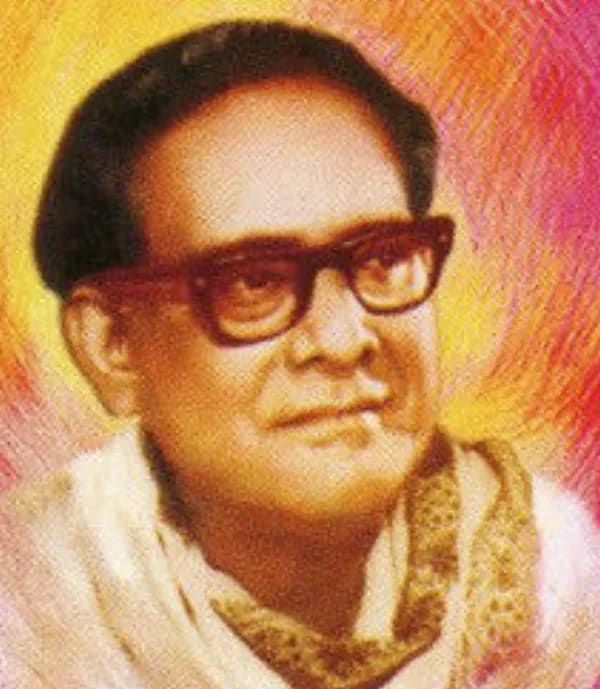
Hemanta Mukherjee
“The dawn ragas of Varanasi remain the purest reflection of the human soul.”
With his rich, baritone voice and timeless melodies, Hemanta Mukherjee carried a lifelong devotional affinity for Varanasi. His soul-stirring renditions of Rabindrasangeet and devotional music reflected the tranquil dawn awakening of the Ganga ghats.
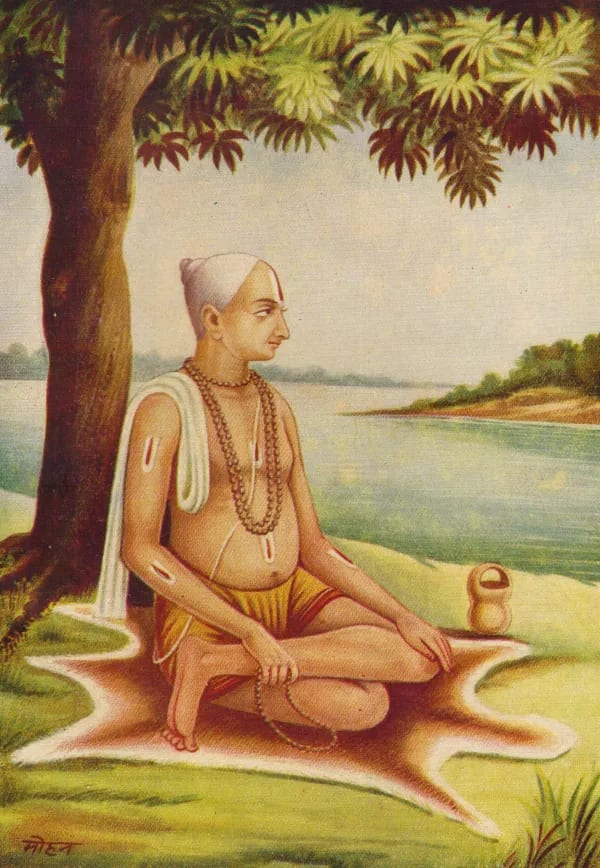
Goswami Tulsidas
“On the steps of Assi, chanting Rama's name dissolves all mortal sorrow.”
Residing in a simple riverside hermitage at Tulsi Ghat, Tulsidas composed the Ramcharitmanas and the Hanuman Chalisa in the everyday Awadhi language, making sacred philosophy accessible to millions. He also founded the legendary Sankat Mochan Temple and Kashi's wrestling akhara tradition.
Walk in the Footsteps of Kashi's Luminaries
Trace Kabir’s loom at Lahartara, Tulsidas’s room at Tulsi Ghat, Premchand’s village in Lamhi, and the musical gallis of Kabir Chaura guided by scholar Shubham Chatterjee.